The Pros and Cons of Using Credit Cards for Building Credit in the USA
Understanding Credit Cards and Your Financial Future
Many Americans turn to credit cards as a common tool to manage expenses, but they can also be a powerful way to build credit. However, this practice comes with both benefits and drawbacks that are essential to consider. Let’s explore some of the key points that can help you make informed decisions about your financial journey.
Pros of Using Credit Cards
- Building Credit History: Regular use of your credit card, combined with timely payments, can help you establish a solid credit history. For example, if you use your card to make small, manageable purchases like groceries or gas and pay the bill on time each month, this consistent, responsible behavior signals to lenders that you are a trustworthy borrower.
- Improving Credit Score: Your credit score is a key factor when applying for loans or mortgages. A good credit utilization ratio—in other words, using a small percentage of your available credit—along with on-time payments, can substantially enhance your score. Aim to keep your utilization below 30%, as this is typically regarded as a healthy level of credit usage.
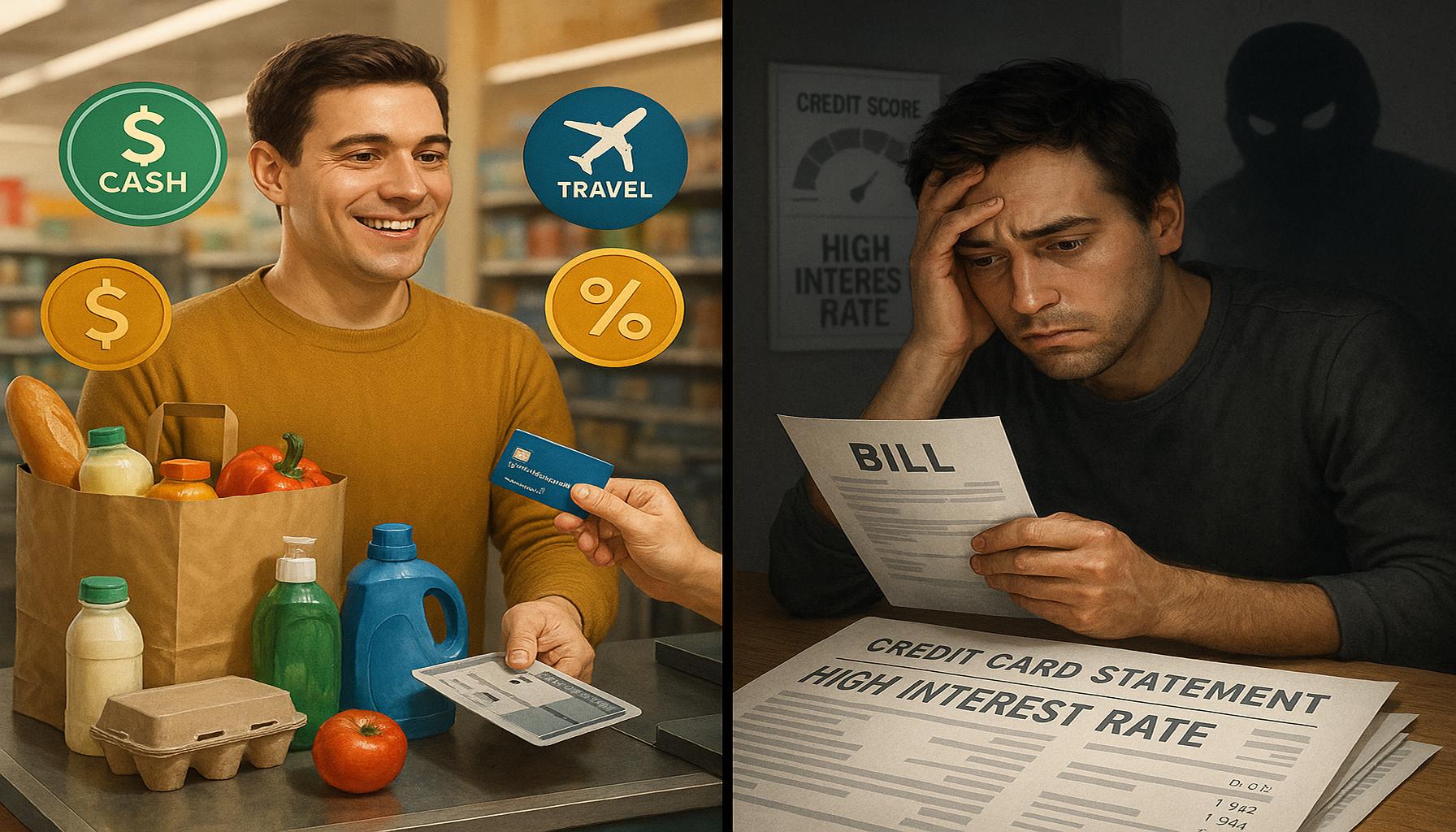
- Rewards and Benefits: Many credit cards come with enticing perks such as cash back, travel rewards, and discounts on various purchases. For instance, a credit card with a rewards program might give you 1.5% cash back on every purchase, which can add up over time. Additionally, some cards offer travel points that can be redeemed for flights or hotel stays, making them beneficial for frequent travelers.
Cons of Using Credit Cards
- Interest Charges: While credit cards offer convenience, they can also incur high-interest rates if balances are not paid in full. For example, if you carry a balance of $1,000 at an interest rate of 18% and only make the minimum payments, it could take years to pay off the balance, and you may end up paying hundreds of dollars in interest.
- Potential for Overspending: The convenience of credit cards can lead to overspending—where individuals might buy things they can’t truly afford. If you view your credit card as free money, it can be easy to rack up debt quickly. Being mindful of your spending habits is crucial to use credit wisely.
- Impact of Missed Payments: Failing to make payments on time can severely damage your credit score, affecting your ability to secure loans in the future. Missing even one payment can lead to penalties, higher interest rates, and ongoing financial difficulties. It’s essential to keep track of your payment due dates to avoid this pitfall.
Understanding these pros and cons can empower you to use credit cards wisely. By weighing the risks against the benefits, you can set yourself on the path toward a brighter financial future. Remember, using credit responsibly not only enhances your current lifestyle but also lays the groundwork for long-term financial security.
CHECK OUT: Click here to explore more
Weighing the Benefits of Credit Cards
Understanding how to use credit cards effectively is crucial for managing personal finances and building a solid credit history. While it may seem simple to just swipe a card, there are various layers to consider, both advantageous and potentially disadvantageous. By diving deeper into the benefits of credit cards, you can develop a stronger grasp of how they can serve your financial goals.
Advantages of Credit Cards
- Access to Credit for Emergencies: One of the most compelling reasons to own a credit card is the access it provides in times of need. Emergencies can arise suddenly; for example, if your car breaks down and requires $800 worth of repairs, a credit card can be a reliable solution. Instead of scrambling to find quick cash or resorting to high-interest loan options, you can use your credit card to cover the expense right away. The ability to break down this payment into manageable monthly installments reduces financial stress, allowing you to focus your resources on other pressing needs without incurring exorbitant fees.
- Increased Spending Power: Credit cards not only offer emergency funds but also enhance your purchasing capacity for larger items. Consider the scenario of acquiring a new refrigerator, which could easily cost over $1,000. Many credit cards provide special financing options allowing you to make this significant purchase and repay it over several months with little to no interest. This flexibility promotes financial responsibility while simultaneously contributing positively to your credit history, as long as payments are made on time.
- Building a Diverse Credit Mix: Having a credit card is an effective way to diversify your credit portfolio, which plays an essential role in credit scoring. Credit bureaus assess your credit mix as part of their evaluation process; they look favorably on individuals who demonstrate they can handle various types of credit. For example, if you have a student loan, a car loan, and a credit card, you possess a well-rounded profile. Maintaining a good repayment track record across these accounts can significantly enhance your credit score, making it easier to secure favorable terms for future loans.
- Account Management Tools: In today’s digital age, credit card issuers come equipped with advanced tools that empower users to take control of their finances. Most credit cards provide insights into spending habits through monthly reports, categorizing expenses for easier tracking. You might receive suggestions on how to save based on your spending patterns. Additionally, many cards offer mobile apps with alerts for payment due dates, enabling budgeting and removing the stress of late fees. Features such as these not only cultivate exceptional spending habits but also encourage users to stay informed about their credit standing.
By recognizing and utilizing these advantages, you can enjoy the benefits of credit cards while taking steps to avoid pitfalls. Responsible usage—like making timely payments and maintaining a low balance relative to your credit limit—ensures that credit cards contribute positively to your financial health. A mindful approach to credit use not only enhances your creditworthiness but also equips you for a more secure financial future.
CHECK OUT: Click here to explore more
Navigating the Drawbacks of Credit Cards
While credit cards can be a valuable tool for building and enhancing your credit profile, they come with their own set of challenges that require careful consideration. Understanding these drawbacks can help you make informed decisions about your financial health and avoid potential pitfalls associated with credit card usage.
Disadvantages of Credit Cards
- Risk of Accumulating Debt: One of the significant risks associated with credit card usage is the potential for accumulating debt. It’s easy to get carried away with the convenience of credit, leading to overspending beyond your means. If you find yourself continuously charging purchases without a plan to pay them off, you may end up facing high-interest rates and falling into a cycle of debt that can be challenging to escape. For instance, maintaining a balance on a card with a 20% interest rate can quickly escalate the amount you owe, particularly if you only make minimum payments.
- Impact on Credit Score: While credit cards can help you build your credit score when used responsibly, they can also negatively affect it if mismanaged. Late payments, high credit utilization—generally defined as using over 30% of your available credit limit—and applying for multiple cards at once can lower your credit score significantly. For example, if you regularly max out your credit limit, this could signal to credit bureaus that you are overly reliant on credit, which could lead to a decrease in your score.
- Annual Fees and Interest Charges: Some credit cards come with annual fees that can add to your overall expenses, especially if you aren’t taking full advantage of the card’s benefits. Additionally, if you carry a balance month-to-month, you will incur interest charges that can significantly inflate the cost of your purchases. It’s important to evaluate whether the rewards and benefits of a card outweigh these fees, as a card with an enticing rewards program may not be worth it if the fees are excessive relative to your usage.
- Potential Fraud and Misuse: Credit cards can also expose you to fraud risks if your card information is compromised. Data breaches and phishing scams are prevalent, and unauthorized charges can impact your finances and credit score. While most credit card issuers have robust fraud protection in place, dealing with fraud can still be time-consuming and stressful as you work to resolve issues and restore your account.
Being aware of these disadvantages is crucial for responsible credit card management. It is important to create a budget and stick to it, ensuring that your credit card use remains within your means. Regularly monitoring your statement for errors and unauthorized transactions can also enhance your financial security. By taking these proactive steps, you can mitigate risks associated with credit cards while still reaping the benefits they have to offer in building your credit history.
SEE ALSO: Click here to read another article
Conclusion: Weighing the Value of Credit Cards
In summary, credit cards can serve as a powerful tool for building credit in the USA when used wisely. They offer opportunities to establish and improve your credit history, which can lead to better loan rates and financial options in the future. However, the *risks associated with credit card use*—such as debt accumulation, the potential to harm your credit score, and exposure to fraud—cannot be overlooked. Being informed about these risks is essential for making prudent financial decisions.
To leverage the benefits of credit cards while safeguarding against their drawbacks, it is vital to develop disciplined habits. This includes creating a realistic budget that accounts for your credit card usage, making payments on time, and keeping your credit utilization low. By staying proactive and monitoring your credit regularly, you can protect your financial well-being.
Ultimately, using credit cards as part of a broader financial strategy can enhance your creditworthiness without leading you into a debt spiral. Recognizing both their advantages and disadvantages will empower you to navigate the intricacies of credit card management. As you make informed choices, you’ll be better positioned to build a strong credit profile that benefits your financial future.

Linda Carter is a writer and financial expert specializing in personal finance and financial planning. With extensive experience helping individuals achieve financial stability and make informed decisions, Linda shares her knowledge on the Take Care Garden platform. Her goal is to empower readers with practical advice and strategies for financial success.