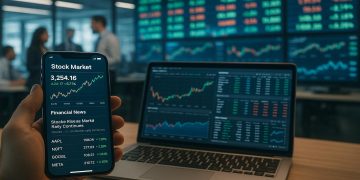
The Impact of Social Media on the Perception of the Financial Market

The Impact of Social Media on Financial Perception
Social media has fundamentally transformed the way we interact with information, particularly in the realm of finance. In today’s digital age, platforms like Twitter, Facebook, and Instagram serve as immediate avenues for sharing insights about investments, economic news, and personal viewpoints. This instant connectivity has fostered a new environment where market behaviors can be significantly influenced by social interactions and the rapid dissemination of information.
Information Dissemination
The speed at which information travels on social media is remarkable. For instance, if a major corporation announces a merger or acquisitions, news on platforms like Twitter can circulate within minutes, often faster than traditional news outlets. An excellent example is the market response to announcements made by prominent CEOs on Twitter, such as when Elon Musk tweeted about Tesla’s performance. Traders and investors who saw this tweet immediately reacted, showcasing how social media can shift market dynamics almost instantaneously. By contrast, traditional media may take hours to cover such news, resulting in missed opportunities for investors who rely solely on older forms of communication.
Public Sentiment
Public sentiment plays a crucial role in the financial market, and social media trends can shape this sentiment dramatically. For instance, during the GameStop stock surge in early 2021, retail investors shared their perspectives on platforms like Reddit and Twitter, leading to a significant uptick in stock prices. The influence of trending hashtags such as #GME or #ShortSqueeze galvanized a community of investors who collectively decided to drive up the price of the stock. This phenomenon highlights how social media can not only reflect investor feelings but actively cultivate them, leading to market behaviors that are often disconnected from traditional financial metrics.
Community Influence
Online forums and discussion groups create communities that facilitate exchange and collaboration among investors. Platforms like Reddit’s r/WallStreetBets exemplify how collective opinions can sway market trends, with thousands of users sharing their stock strategies and experiences. These communities offer a space for individuals—especially novice investors—to gain insights, learn from others, and react to market developments in real-time. The collective knowledge shared within these groups can significantly amplify or dampen market movements, emphasizing the power of community in modern investing.
In conclusion, the interaction between social media and the financial markets illustrates that communication has evolved into a dynamic influence that shapes investor behavior and market alerts. For both seasoned investors and newcomers, understanding this relationship is vital in navigating the complexities of investment strategies today. As the financial landscape continues to evolve with technology, being attuned to the changing role of social media will be essential for anyone looking to engage effectively in the market.
CHECK OUT: Click here to explore more
Understanding the Role of Social Media in Finance
The interplay between social media and financial markets extends beyond just the immediate sharing of news; it also encapsulates the overall perception that individuals have about economic events and trends. In a landscape where financial literacy varies widely among investors, social media serves as a democratizing force, allowing everyone from seasoned traders to casual investors to participate in discussions and analysis. However, this accessibility can lead to a range of outcomes, both positive and negative, influencing how the financial market is perceived.
Real-Time Reactions and Market Volatility
One of the most striking impacts of social media is its ability to induce real-time reactions among investors, often resulting in increased market volatility. With rapid access to news and opinions, traders are more likely to make impulsive decisions based on social media sentiment, which can amplify market movements. For instance, when a stock receives a wave of positive tweets, it may prompt not just enthusiastic buying from retail investors but also influence institutional investors who seek to capitalize on the trend. Conversely, negative posts can trigger panic selling, illustrating how the emotional nature of social sharing can disrupt traditional market behavior.
Echo Chambers and Confirmation Bias
Social media platforms also create environments ripe for echo chambers, where users predominantly view opinions that reinforce their existing beliefs. This phenomenon can skew the perception of financial realities. For example, within specific online groups dedicated to particular stocks or investment strategies, members may dismiss contrary views or alternative data, leading to a shared mindset that can cloud judgment. As a result, investors may become overly optimistic or pessimistic based on the prevailing sentiments in their online communities, disregarding fundamental analysis or market signals.
Key Influencers in the Financial Space
Another layer to consider is the rise of social media influencers in the financial space who not only contribute to discussions but also shape public opinion. These influencers can have substantial followings, and their endorsements can sway countless individuals. Here are a few common types of financial influencers:
- Market Analysts: Professionals who provide insights and expertise based on their analysis of market trends.
- Trading Gurus: Individuals known for sharing trading tips and strategies, often drawing both praise and criticism.
- Personal Finance Educators: Influencers who focus on financial literacy and investment education, appealing to a broad audience.
While these influencers can provide valuable information, it is essential for investors to critically evaluate their advice and understand their motivations, as not all influencers have the audience’s best interests in mind.
In summary, the impact of social media on the perception of the financial market is a multifaceted issue that encompasses rapid information sharing, emotional reactions, and the formation of community-driven narratives. As investors navigate this ever-changing landscape, cultivating a critical mindset and developing a diversified approach to information sourcing become crucial skills. Understanding these dynamics can help individuals engage with the financial market more effectively.
SEE ALSO: Click here to read another article
The Influence of Social Media Trends on Investment Decisions
As social media platforms evolve, they increasingly shape the narrative around investment choices and market trends. The potential for viral information dissemination can significantly impact investors’ decisions, often resulting in what is termed as “herd behavior.” This phenomenon occurs when individuals follow the actions of a larger group; it often leads to market trends that may not align with traditional financial analysis or fundamental data.
Memes and Market Movements
One of the most intriguing aspects of social media’s influence on finance is the phenomenon of memes impacting stock movements. A notable example is the rise of the “meme stock” phenomenon, which gained momentum in 2021 with stocks like GameStop and AMC. These companies saw their stock prices soar due to social media discussions predominantly on platforms like Reddit, where memes and social commentary fueled a buying frenzy. Investors quickly jumped onto the bandwagon, often ignoring traditional indicators. This shows how a collective online consensus can disrupt market fundamentals and reshape investor sentiment in a matter of days.
Algorithmic Trading and Sentiment Analysis
Furthermore, social media sentiment is not just reflected in individual trading. Many financial institutions have begun utilizing algorithmic trading systems that monitor social media platforms for sentiment analysis. These algorithms assess public sentiment about particular stocks or sectors by analyzing the volume and tone of mentions across various social networks. For instance, if a significant number of tweets and posts about a stock are positive, algorithms may trigger automatic purchases of that stock, effectively merging the wisdom of crowds with computational trading. This adaptation underscores the profound integration of social media into market operations, creating a feedback loop that can further heighten volatility and influence stock prices.
The Regulatory Perspective
With the growing impact of social media on the financial market, regulatory bodies are also taking notice. The Securities and Exchange Commission (SEC) in the United States has been monitoring online discussions and activity closely to prevent market manipulation facilitated by social media. The concern is that misinformation or strategically planted narratives could lead investors to make decisions that could influence market stability. This has sparked debates about the responsibilities of social media platforms in managing misinformation and the ethics of trading based on social sentiment, highlighting a need for improved transparency and accountability.
The Importance of Financial Education
Given these dynamics, the importance of financial education cannot be overstated. Investors must develop a comprehensive understanding of market fundamentals along with critical thinking skills to navigate social media influences effectively. By being aware of the volatility induced by trends and the potential for misinformation, individuals can make informed decisions rather than being swayed solely by popular opinion. Programs aimed at enhancing financial literacy can empower investors, ensuring that they approach investing with a balanced mindset and a solid grasp of risk management.
Ultimately, as social media continues to reshape perceptions of the financial market, staying informed and educated will be vital for investors looking to achieve their financial goals amid an intricate web of information and sentiment. Understanding how and why certain narratives arise can also foster a more resilient approach to investment.
SEE ALSO: Click here to read another article
Conclusion
In summary, the impact of social media on the perception of the financial market is profound and multi-faceted. Social media platforms serve as dynamic arenas where information spreads rapidly, influencing investment behaviors and market trends. The phenomena of herd behavior, driven by viral trends and conversations, can lead investors to make decisions based on popular sentiment rather than sound financial reasoning. Notable examples, such as the meme stock movements, illustrate how collective online actions can dramatically propel stock prices, even in the absence of traditional financial indicators.
The integration of algorithmic trading and sentiment analysis further complicates this landscape, as financial institutions leverage social media insights for trading strategies. This interaction creates a feedback loop that not only heightens market volatility but also necessitates increased vigilance from regulatory bodies like the SEC. Their challenge lies in curbing misinformation while maintaining the integrity of a rapidly evolving market environment.
Crucially, enhancing financial education is essential for investors navigating this complex landscape. By fostering a deeper understanding of both market fundamentals and the psychological influences of social media, individuals can make more informed decisions. As we move forward, staying informed and critically assessing social media narratives will be vital in ensuring that investment strategies are grounded in robust analysis, allowing investors to pursue their financial goals with confidence in a landscape shaped by digital communication.

Linda Carter is a writer and financial expert specializing in personal finance and financial planning. With extensive experience helping individuals achieve financial stability and make informed decisions, Linda shares her knowledge on the Take Care Garden platform. Her goal is to empower readers with practical advice and strategies for financial success.