The Benefits and Risks of Using Credit Cards in Building Personal Credit
Understanding the Financial Implications of Credit Cards
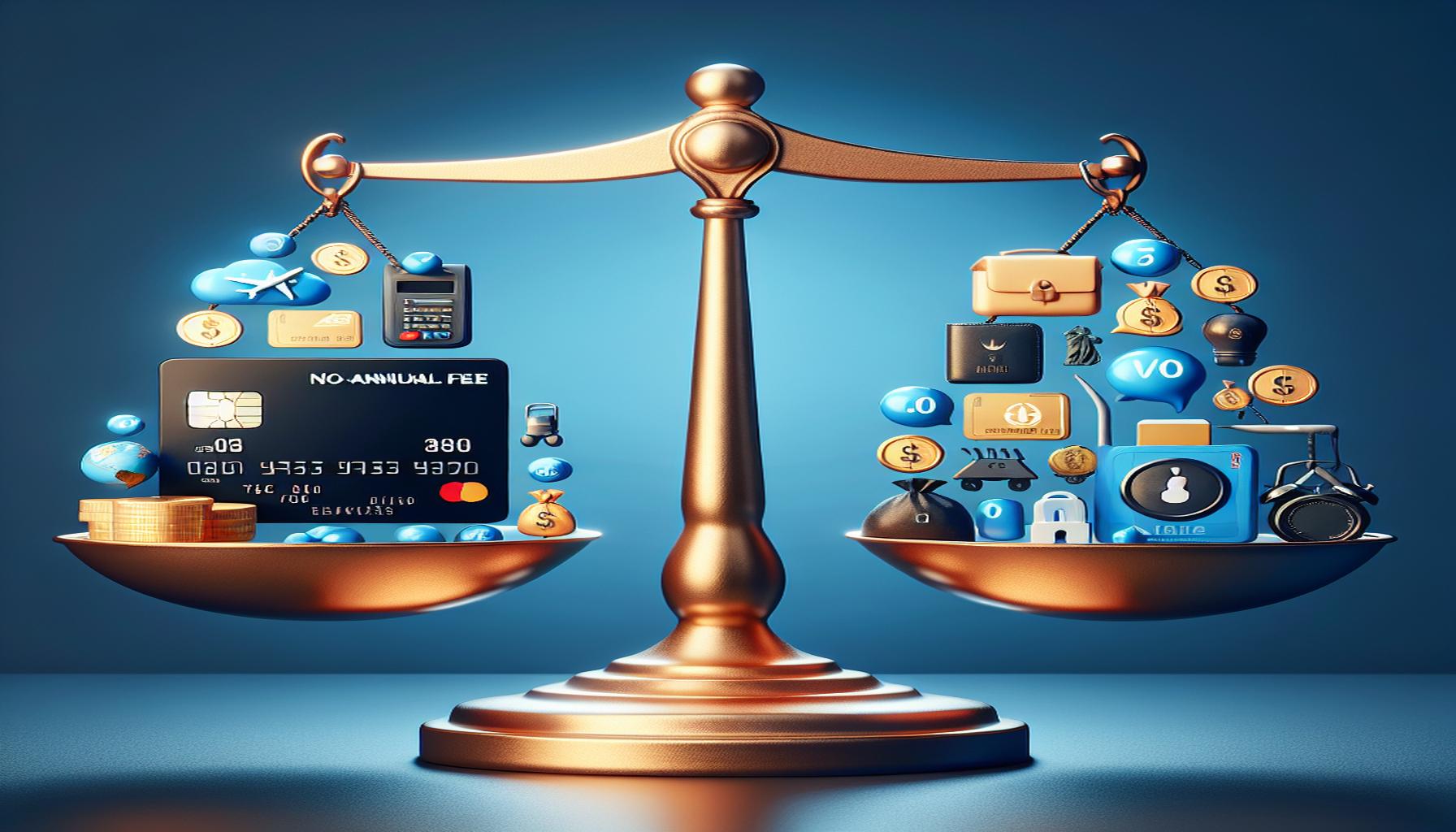
Credit cards serve as a dual-edged sword in personal finance, offering significant advantages while also presenting a range of potential pitfalls. For individuals keen on establishing or enhancing their credit scores, mastering the fundamentals of credit card use is crucial. The appropriate strategic utilization of credit cards can pave the way toward financial stability and opportunities.
Benefits of Credit Card Usage
- Builds credit history: One of the foremost benefits of using credit cards responsibly is the positive impact on your credit history. Financial institutions report your payment activity to credit bureaus; timely payments on your credit card account directly contribute to improving your credit score. For instance, establishing a consistent pattern of repayment within 30 days can significantly bolster your credit profile over time.
- Rewards and cashback: Many credit cards come equipped with rewards programs that provide cashback or points for every dollar spent. Consumers can leverage these programs to receive benefits such as travel miles or discounts on purchases. For example, a card offering 2% cashback on groceries can yield substantial savings for families or individuals who frequently shop for food, enhancing the overall value of the credit card.
- Emergency funding: Credit cards can serve as a financial safety net, providing immediate access to funds in the event of an unexpected expense, such as medical bills or car repairs. This can prove especially useful for budget-conscious individuals who may not have readily available cash or savings. Having a credit card can prevent reliance on high-interest personal loans during emergencies.
Risks of Credit Card Usage
- Debt accumulation: While credit cards offer convenience, they can also lead to reckless spending. Individuals may accumulate debt quickly if they do not adhere to a strict budget. High balances can result in steep interest charges that compound monthly, making it difficult to regain financial footing.
- Impact of missed payments: On the flip side of timely payments is the risk associated with late payments. Missing a payment deadline can lead to penalties and significantly harm your credit score. Lenders often report late payments after just 30 days, which can remain on your credit report for up to seven years, adversely affecting borrowing capacity.
- Fees and penalties: Credit cards often come with associated fees, such as annual fees or late payment fees. These costs can quickly drain potential financial benefits. For instance, an annual fee of $95 can diminish the overall rewards and savings accumulated unless managed thoughtfully.
In conclusion, by carefully weighing the benefits and risks associated with credit cards, consumers can make informed and strategic financial decisions. Effective credit card management not only enhances one’s credit profile but also empowers individuals to maximize rewards while maintaining financial health. Thus, it is imperative to cultivate responsible habits—such as budgeting, timely repayments, and regular account monitoring—to ensure that the advantages of credit cards are fully realized and the downsides are minimized.
SEE ALSO: Click here to read another article
Navigating the Landscape of Credit Card Benefits
Establishing a robust personal credit profile is essential in today’s financial landscape, and the strategic use of credit cards plays a significant role in this process. While credit cards offer numerous advantages, users must be aware of inherent risks to ensure they are making wise financial decisions. The following section outlines the key benefits associated with using credit cards as a tool for building personal credit.
Strengthening Your Credit Score
Building a positive credit history is foundational for individuals seeking to improve their credit scores. Credit scores, which range from 300 to 850, are determined by factors such as payment history, credit utilization, and the length of credit history. A major component of these factors is the use of credit cards. By maintaining a good payment record, individuals can directly influence their credit score. For example, a payment made on or before the due date not only contributes to on-time payment history but also reflects creditworthiness to potential lenders.
Maximizing Financial Opportunities
Credit cards often come with various rewards and benefits that can enhance the user experience. These may include cashback, rewards points, travel perks, and discounts. Many cards in the United States offer enticing rewards programs tailored to specific spending categories, such as groceries, gas, or dining out. Utilizing these features strategically can lead to substantial savings or valuable rewards. For instance, using a card that offers 3% cashback on dining purchases can reward individuals who frequently eat out, effectively turning regular expenditures into monetary benefits.
Emergency Financial Safety Net
In the face of unexpected expenses, credit cards can function as an immediate source of emergency funding. For example, if an individual faces sudden home repairs or medical expenses, credit cards can help to bridge the gap when cash reserves are insufficient. Accessing a credit card can provide reassurance and financial flexibility, allowing individuals to address urgent needs without resorting to more expensive loan options or personal debt. This safety net is particularly essential for those who may not have established substantial savings yet, acting as a buffer during times of financial uncertainty.
Prudent Financial Management
To fully harness the advantages of credit card use, individuals must adopt responsible financial habits. Key practices include budgeting, setting spending limits, and regularly monitoring account activity. Establishing a budget can help individuals avoid overspending and accumulating debt. Additionally, being mindful of credit utilization—keeping balances below 30% of the total available credit—is vital for maintaining a healthy credit score. Keeping a close watch on credit card statements can also help to identify any discrepancies and reduce the risk of fraudulent activity.
In summary, credit cards can serve as a valuable instrument for building personal credit when used wisely. The benefits, such as enhancing credit history and offering financial rewards, underscore their importance in a sound financial strategy. However, it is essential for users to approach credit card ownership with caution and awareness, ensuring that the associated risks do not overshadow the potential advantages.
CHECK OUT: Click here to explore more
Understanding the Risks Involved in Credit Card Usage
While credit cards can offer numerous benefits for building personal credit, they also present several risks that users must navigate carefully. Awareness of these risks empowers individuals to make informed decisions and avoid pitfalls that could compromise their financial health.
Potential for Accumulating Debt
One of the primary risks associated with credit card use is the temptation to overspend. The ease of access to credit can lead individuals to make purchases beyond their means, resulting in increased debt. Data from the Federal Reserve shows that as of early 2023, average credit card interest rates were approximately 16.4%, which can lead to considerable financial burdens if balances are not paid down swiftly. Users must be diligent in monitoring their spending and ensuring it aligns with their financial capabilities to mitigate the risk of falling into a debt spiral.
Impact of Late Payments
Another significant risk is the potential impact of late payments on one’s credit score. Payment history constitutes about 35% of a credit score calculation, making it one of the most critical factors. A single missed payment can lead to a decrease in credit score, which may take time to recover. Additionally, late payments often result in expensive late fees, further exacerbating the financial burden. It is essential for cardholders to set reminders or utilize automated payment features to ensure timely payments.
High-Interest Rates
Credit cards often come with high-interest rates, particularly for users with limited credit history or poor credit scores. Carrying a balance from month to month can lead to escalating costs due to accruing interest. According to a 2022 report from the Consumer Financial Protection Bureau, many Americans struggle with credit card debt primarily due to high-interest charges. It is advisable for users to prioritize paying off their balances in full each month to avoid unnecessary interest charges, ultimately protecting their financial standing.
Credit Utilization Ratio
The credit utilization ratio, defined as the amount of credit being used relative to the total available credit, plays a crucial role in credit scoring. Ideally, individuals should maintain a utilization ratio below 30%. However, exceeding this threshold can signal financial distress to lenders, negatively impacting one’s credit score. Users must be cautious not to max out credit cards, and should consider having multiple cards with low balances rather than utilizing a single card excessively.
Risk of Identity Theft and Fraud
The digital age has increased the risks of identity theft and credit card fraud, putting cardholders at potential risk of financial loss. Cybercriminals often target individuals’ sensitive information, leading to unauthorized transactions that can affect credit scores and lead to complicated recovery processes. Implementing robust security measures, such as regularly monitoring account statements, using strong passwords, and utilizing alerts for unusual transactions, can help mitigate these risks.
In summary, while credit cards can serve as a valuable tool for building personal credit, they also carry inherent risks that must be managed diligently. By remaining aware of potential pitfalls—such as accumulating debt, the risks of late payments, high-interest rates, utilization ratios, and identity theft—individuals can take proactive measures to safeguard their financial future while leveraging their credit cards effectively.
CHECK OUT: Click here to explore more
Conclusion
In conclusion, utilizing credit cards can significantly enhance one’s ability to build and maintain a strong personal credit profile, provided that users remain cognizant of both the benefits and risks associated with their usage. The strategic use of credit cards enables individuals to establish a robust credit history, which is pivotal for securing favorable loan terms and lower interest rates in the future. By making timely payments and maintaining a low credit utilization ratio, users can effectively enhance their credit scores, thereby enjoying the numerous advantages that come with good credit standing.
However, it is imperative to address the inherent risks that accompany credit card usage. The potential for accumulating debt, facing penalties from late payments, and encountering high-interest rates can jeopardize financial stability. Furthermore, the risk of identity theft necessitates that users adopt rigorous security measures to safeguard their financial information. Acknowledging these risks allows cardholders to make more informed choices, enabling them to harness the benefits of credit cards while mitigating adverse effects.
Ultimately, responsible credit card usage demands a balance of awareness and discipline. As individuals strive to build their credit profiles, they must approach credit card usage with a clear strategy, leveraging its advantages while remaining vigilant against potential pitfalls. Through education, prudent management, and proactive financial habits, individuals can navigate the landscape of credit successfully, paving the way for a healthier financial future.

Linda Carter is a writer and financial expert specializing in personal finance and financial planning. With extensive experience helping individuals achieve financial stability and make informed decisions, Linda shares her knowledge on the Take Care Garden platform. Her goal is to empower readers with practical advice and strategies for financial success.