Credit Cards and the Psychology of Consumption: How Our Shopping Habits Are Influenced
Understanding the Psychological Impact of Credit Cards
In a landscape dominated by consumerism, credit cards offer not just a convenient payment option but also wield considerable influence over our shopping behaviors and overall emotional states. The digital age has revolutionized the way transactions take place, with credit cards becoming a prevalent tool that facilitates both daily purchases and larger financial commitments. This convenience raises critical questions about how these instruments affect our financial mindset and spending patterns.
One of the most significant psychological factors at play is the concept of instant gratification. The immediacy with which one can obtain products using credit cards eliminates the traditional delaying mechanisms often associated with saving money for a purchase. For example, when consumers can buy a high-end gadget immediately, they may overlook the long-term commitment attached to repayment. This accessibility can lead to impulsive buying behaviors, where the rush of new ownership overshadows practical financial considerations.
Another pivotal aspect is perceived value. Credit cards allow consumers to break down larger expenses into manageable payments, often creating a misguided sense of affordability. This can lead individuals to purchase products they cannot genuinely afford. For instance, a person might splurge on an expensive luxury item, rationalizing the decision through monthly payment plans while disregarding the accumulating interest that debt can incur.
Additionally, emotional triggers play a significant role in shopping habits. Many individuals turn to shopping as a coping mechanism in times of stress or anxiety, leading to increased credit card usage during emotionally turbulent periods. For example, during the COVID-19 pandemic, a surge in online shopping was documented as individuals sought comfort and distraction amidst uncertainty, highlighting the intersection of psychology and financial behavior.
Market dynamics also exploit these psychological tendencies. Cash Back Rewards and other incentive programs can motivate consumers to increase their spending. For instance, credit cards that offer rewards for certain categories, like dining or groceries, can encourage users to overspend in those areas, as they aim to earn benefits that may not outweigh the costs incurred. Furthermore, limited time offers can create a sense of urgency, prompting quick, less-considered purchases. This strategy has been effectively used by retailers during major shopping events, such as Black Friday, when consumers are urged to buy now or miss out on significant savings.
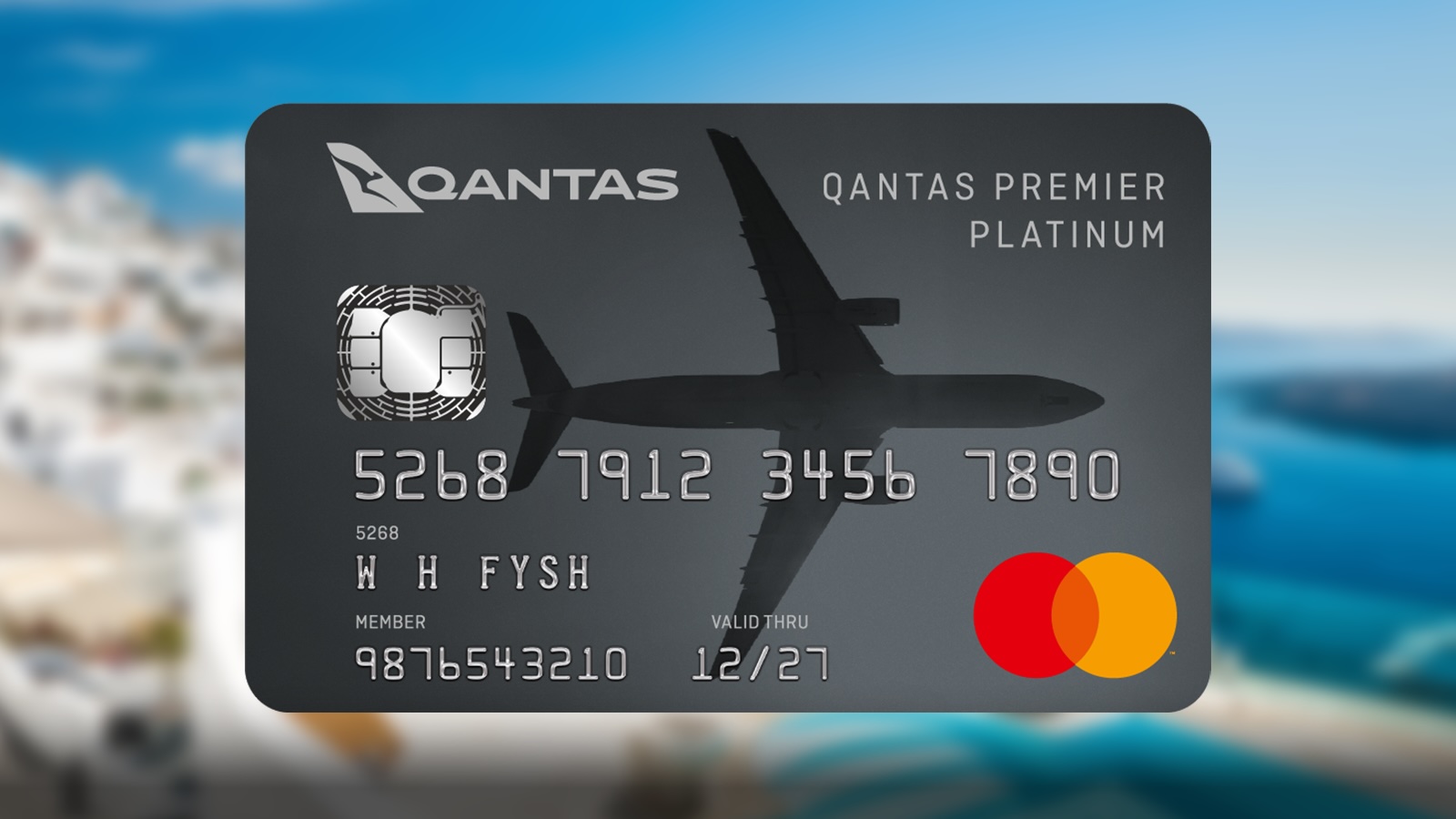
Brand loyalty programs further embed these behaviors, conditioning consumers to prefer specific brands and influencing their purchasing decisions. For example, frequent flyer programs incentivize travelers to remain loyal to an airline, often resulting in additional, sometimes unnecessary expenses, simply to maintain loyalty status.
With such profound implications on spending behaviors, understanding how credit cards influence us can lead to more informed financial choices. By critically analyzing our spending habits and recognizing the psychological drivers at play, we can reduce the risks associated with credit card debt. A mindful approach to credit card use, characterized by budgeting and self-awareness, can foster healthier financial habits and promote overall financial wellness.
CHECK OUT: Click here to explore more
The Interplay Between Credit Cards and Consumer Behavior
The utilization of credit cards transcends mere financial transactions; it embodies a complex interplay between psychological factors and consumer behavior. Understanding these dynamics is essential for consumers who wish to navigate their financial decisions prudently. Research indicates that the manner in which credit cards are used can significantly influence spending patterns through various psychological mechanisms.
One critical aspect is the phenomenon of anchoring. When consumers use credit cards, they often anchor — or become mentally fixated — on the monthly payment rather than the total cost of the purchase. For example, a consumer may perceive a television priced at $1,200 as manageable when presented with a monthly payment option of $100 over a year. This mental framing can obscure the actual financial burden, allowing consumers to justify significant expenditures without fully grasping their long-term implications.
Moreover, loss aversion plays a pivotal role in consumption behavior. Consumers generally fear loss more than they appreciate gains. This aversion can be leveraged by credit card companies to spur spending. For instance, promotional terms such as “you could lose out on exclusive benefits” may lead consumers to feel pressured to utilize their cards more frequently, lest they miss out on what is perceived as advantageous. Consequently, this fear of loss may drive a cycle of unnecessary spending, aggravating financial distress.
Another psychological influencer is social comparison. Our spending habits are often shaped by our perceptions of others’ consumption. Credit card offerings such as high credit limits can facilitate competitive spending, leading individuals to purchase items to match or outdo peers. This behavior is particularly evident in the “keeping up with the Joneses” mentality, where individuals feel compelled to enhance their social status through material purchases. Such dynamics can lead to increased credit card use and eventual debt accumulation when individuals stretch their finances to conform to perceived societal norms.
Furthermore, the role of emotional states cannot be overlooked. Emotional spending is increasingly prevalent, particularly in stressful or uncertain times. This cycle can create a temporary ‘retail therapy’ effect, where individuals experience a brief sense of happiness upon purchasing new items. However, the initial joy often transitions into **post-purchase regret** when the financial ramifications surface. A survey from the American Psychological Association suggests that approximately 50% of individuals reported using shopping as a coping mechanism for stress, a statistic that underscores the emotional entanglements associated with credit card use.
- Instant gratification: The lure of immediate rewards can overshadow the long-term consequences of spending.
- Anchoring: Focusing on monthly payments rather than total costs distorts financial realities.
- Loss aversion: The fear of losing out on benefits propels consumers to opt for credit, often irrationally.
- Social comparison: The desire to keep up with peers can drive unnecessary expenses on credit cards.
- Emotional spending: Using shopping as a coping mechanism can lead to impulsive purchases and resulting regret.
Ultimately, understanding these psychological drivers is crucial for consumers. By recognizing the underlying motivations influencing their financial choices, individuals can make more informed decisions regarding credit card utilization. Addressing these psychological factors through enhanced self-awareness can facilitate healthier spending habits and improve overall financial well-being.
CHECK OUT: Click here to explore more
The Implications of Credit Card Usage on Financial Wellness
While the psychological influences of credit card usage can lead to increased spending, it is crucial to examine the potential implications on overall financial wellness. One key relationship is the connection between credit utilization ratios and credit scores. Consumers managing multiple credit cards may remain unaware of how high balances relative to their credit limits can negatively impact their credit scores. Financial health experts recommend maintaining a credit utilization ratio below 30% to foster a positive credit score, a goal that becomes increasingly difficult if consumers adopt a habit of excessive spending based on the psychological factors discussed earlier.
Moreover, the phenomenon of debt normalization has emerged in contemporary consumer culture. Many individuals view credit card debt as a normal part of financial life, often failing to appreciate the long-term implications of carrying a balance. The ease of using credit can create a cognitive dissonance, where consumers rationalize accumulating debt due to their ability to make minimum monthly payments. This detachment fosters a cycle of debt that can strain both mental health and financial stability. Studies indicate that approximately 40% of American households carry credit card debt, with average balances exceeding $6,000, underscoring the necessity for consumers to reassess their financial behaviors.
Additionally, the impact of reward programs associated with credit cards can further influence consumer behavior in a manner that may not align with financial prudence. While cashback offers or travel rewards can be enticing, they often disguise underlying costs associated with credit card usage. Many consumers engage in behaviors aimed at accumulating rewards, resulting in overspending and incurring debt to maximize benefits. In reality, reward programs typically benefit the issuer more than the consumer, often trapping users in an “always spend more to gain more” mentality. A report from the Consumer Financial Protection Bureau highlighted that nearly 60% of credit card users do not pay off their balances in full each month, effectively negating any benefits they might derive from reward programs.
On a societal level, there is growing evidence of a shift towards buy now, pay later (BNPL) schemes, which appeal to consumers’ tendencies for immediate gratification. These arrangements often allow individuals to purchase items without upfront payment but can lead to an increased tendency for impulsive decision-making. Neurological studies suggest that the heightened accessibility of credit options, such as BNPL and credit cards, can activate the brain’s reward system, perpetuating a cycle of impulsivity and subsequent regret. The proliferation of such alternative financing solutions presents additional challenges for consumers aiming for financial stability, as it further complicates the understanding of one’s overall financial picture.
- Credit utilization ratios: Keeping this below 30% is advised to maintain a healthy credit score.
- Debt normalization: The perception of credit card debt as normal can lead to harmful financial habits.
- Reward program pitfalls: Consumers may overspend to reap rewards, ultimately leading to increased debt.
- Buy now, pay later schemes: These can encourage impulsive spending and complicate financial decisions.
Understanding the multifaceted psychological dimensions of credit card usage empowers consumers to make more informed decisions. By cultivating awareness of how credit cards influence spending behavior, individuals can begin to reframe their financial habits, moving towards a more sustainable and health-focused approach to consumption.
CHECK OUT: Click here to explore more
Conclusion
As we navigate a consumer landscape shaped by the pervasive presence of credit cards, understanding the psychology of consumption becomes paramount. The interplay between psychological triggers and financial behaviors reveals significant challenges that can hinder our economic stability. Credit cards facilitate not only immediate gratification but also foster a sense of detachment from financial reality, as evidenced by the normalization of debt and reliance on minimum payments. Such practices can create a precarious financial environment that impacts mental wellness and long-term fiscal health.
Moreover, the allure of reward programs and the rise of buy now, pay later schemes further complicate financial decision-making, encouraging impulsive purchasing at the expense of prudent financial management. These behaviors emphasize the crucial need for consumers to reassess their spending patterns, focusing on the long-term implications of their choices rather than short-term benefits.
To foster improved financial wellness, individuals must actively engage with their credit card habits and seek to develop healthier spending strategies. This involves maintaining a credit utilization ratio below 30% and becoming aware of the psychological influences underlying their consumption choices. By prioritizing financial literacy and cultivating self-awareness, consumers can break free from detrimental cycles and foster a balanced approach to spending. Ultimately, embracing a proactive mindset toward financial health will empower individuals to navigate the complexities of modern consumerism with greater confidence and success.

Linda Carter is a writer and financial expert specializing in personal finance and financial planning. With extensive experience helping individuals achieve financial stability and make informed decisions, Linda shares her knowledge on the Take Care Garden platform. Her goal is to empower readers with practical advice and strategies for financial success.