
How to cancel a credit card without harming your score
Canceling a credit card doesn't have to hurt your credit score. By understanding factors like credit utilization and account age, and following strategic steps such as paying off balances and monitoring your credit report, you can navigate the process effectively while safeguarding your financial health.

How to Deal with Financial Unexpected Events Without Going Into Debt
Life can present unexpected financial challenges that threaten stability. To navigate these situations without accruing debt, it's essential to build an emergency fund, assess your budget, explore assistance options, and understand credit. Proactive habits and flexibility are key to maintaining financial health amid uncertainties.

Steps to Build a Solid Emergency Fund
Building an emergency fund is vital for financial security, especially in unpredictable times. Start by assessing your expenses and setting realistic savings goals. Choose a high-interest account and automate contributions for consistent growth. Regularly review your fund to adapt to life changes and ensure lasting peace of mind.
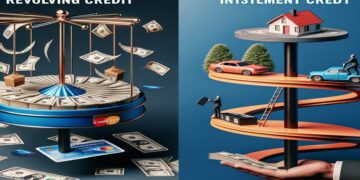
Difference between revolving credit and installment credit
Understanding the difference between revolving credit and installment credit is essential for effective financial management. Revolving credit offers flexible borrowing, useful for daily expenses, while installment credit provides structured repayment for larger purchases. Each type has unique advantages, impacting budgeting, credit scores, and financial planning decisions.

How compound interest works and its importance in finance
This article explains the essential concept of compound interest, which accelerates wealth growth by earning interest on both the principal and previous interest. It highlights its significance for savers, investors, and retirement planning, emphasizing early investment and informed financial decisions to maximize growth and avoid debt pitfalls.

Key Financial Terms Every Beginner Investor Should Know
This article provides beginner investors with essential financial terms and concepts, such as assets, equity, and diversification. Understanding these key terms empowers informed decision-making, fosters effective communication, and builds a strong foundation for navigating the investment landscape and achieving personal financial goals.

What is Total Effective Cost (CET) and how does it affect your loans?
Total Effective Cost (CET) reveals the true expense of loans by factoring in interest rates, fees, loan terms, and repayment structures. Understanding CET enables borrowers to make informed choices, compare loan offers, budget effectively, negotiate better terms, and maintain creditworthiness for future borrowing. It’s essential for long-term financial health.

How to Read and Interpret a Credit Card Statement
Navigating your credit card statement can feel daunting, but understanding its components is vital for managing finances effectively. By tracking spending, spotting fraudulent activity, and recognizing key charges, you can make informed decisions and promote financial health. Regularly reviewing your statement empowers better budgeting and enhances your credit score.

Tips to Understand Bank Fees and Avoid Unnecessary Charges
Navigating bank fees can be challenging, but understanding common charges like monthly fees, ATM costs, and overdraft penalties empowers you to manage your finances better. By employing proactive strategies and staying informed, you can minimize unnecessary expenses and enhance your financial control.

How to correctly interpret your bank statement
Mastering your bank statement is essential for effective personal finance management. By understanding key components like account balances, transaction details, and fees, you can track spending, make informed decisions, and optimize savings. Regular analysis empowers you to identify trends, manage budgets, and protect against fraud, leading to better financial health.